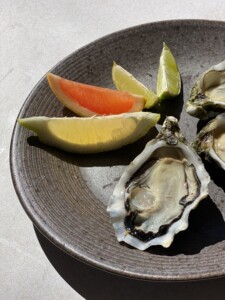
Oysters in Folklore: Stories from Around the Globe. Oysters have long held a special place in the world’s culinary and cultural history. Beyond their delicious taste and reputation as aphrodisiacs, oysters have also played a significant role in folklore and stories from various cultures around the world. These tales often reflect the cultural significance and symbolism attributed to these fascinating bivalves. In this article, we’ll explore some of the most intriguing oyster-related folklore from different corners of the globe.
1. Japanese Legends: The Creation of Pearls
One of the most famous oyster-related legends comes from Japan, where oysters are associated with the creation of pearls. According to Japanese folklore, pearls are formed when a mythical creature called the “tama-mizu fune” (pearl-carrying ship) opens an oyster shell and tears of dewdrops inside the shell become pearls. This story underscores the precious and mystical nature of pearls and oysters in Japanese culture.
2. The Ancient Greeks: The Birth of Aphrodite
In Greek mythology, oysters have connections to the goddess of love, Aphrodite. Legend has it that Aphrodite was born from the seafoam, which formed around the genitals of the sky god Uranus when they fell into the sea. Some versions of the story suggest that the seafoam collected around oyster shells, associating oysters with the goddess of love and beauty.
3. Native American Tribes: The Oyster Dance
Various Native American tribes along the Eastern Seaboard have traditions involving oysters. For example, the Powhatan tribe of Virginia had a special dance known as the “Oyster Dance,” performed during oyster feasts. This dance was a way of celebrating the oyster harvest and giving thanks for the bounty of the sea.
4. European Legends: The Oyster and the Stone
In European folklore, there’s a belief that oysters can produce pearls if a small stone or parasite becomes trapped inside their shells. This notion has inspired numerous folktales and legends about oysters. It’s said that the oyster covers the intruder with layers of nacre, forming a pearl as a defense mechanism against irritation.


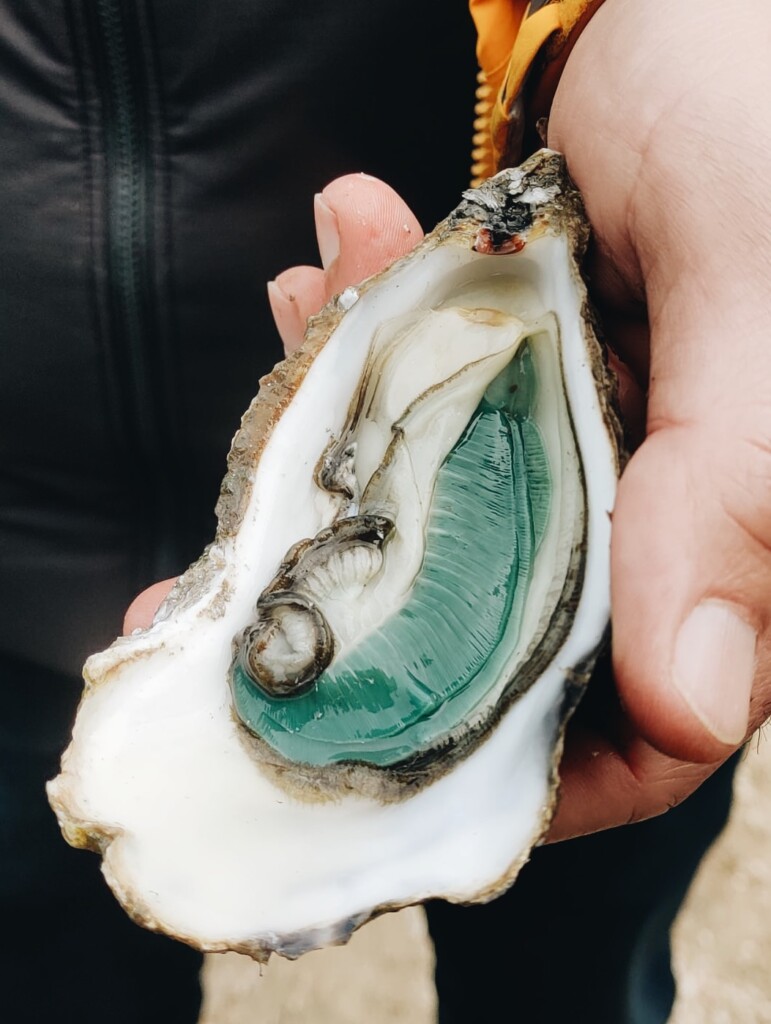
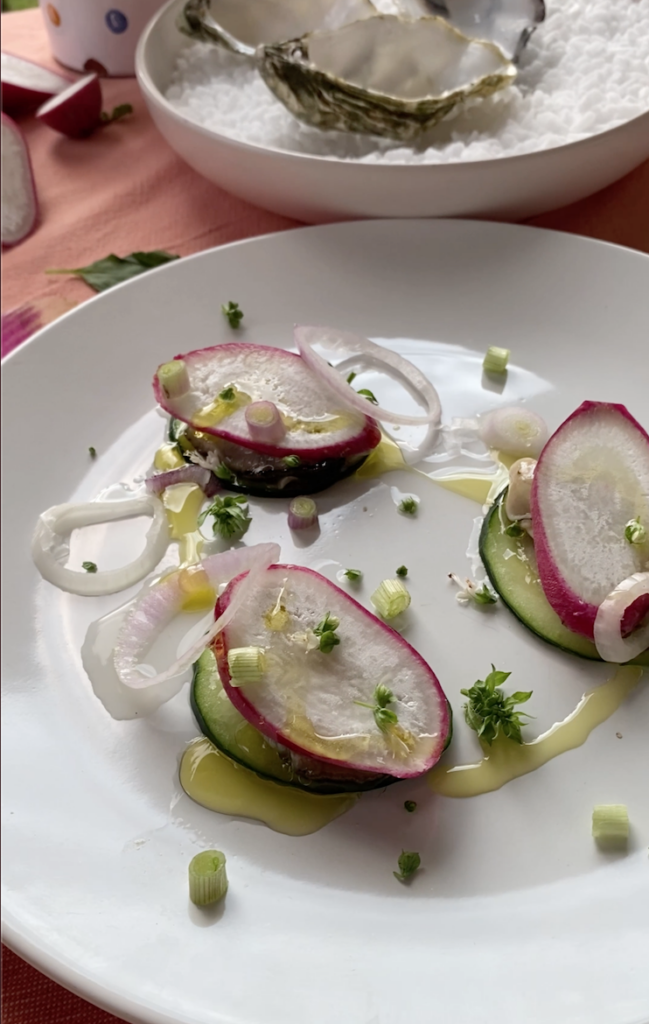

 Chefs prioritize the quality and origin of their ingredients. T